Kayak Fishing, How To Guides

How to Catch Spanish Mackerel from a Kayak – PART1
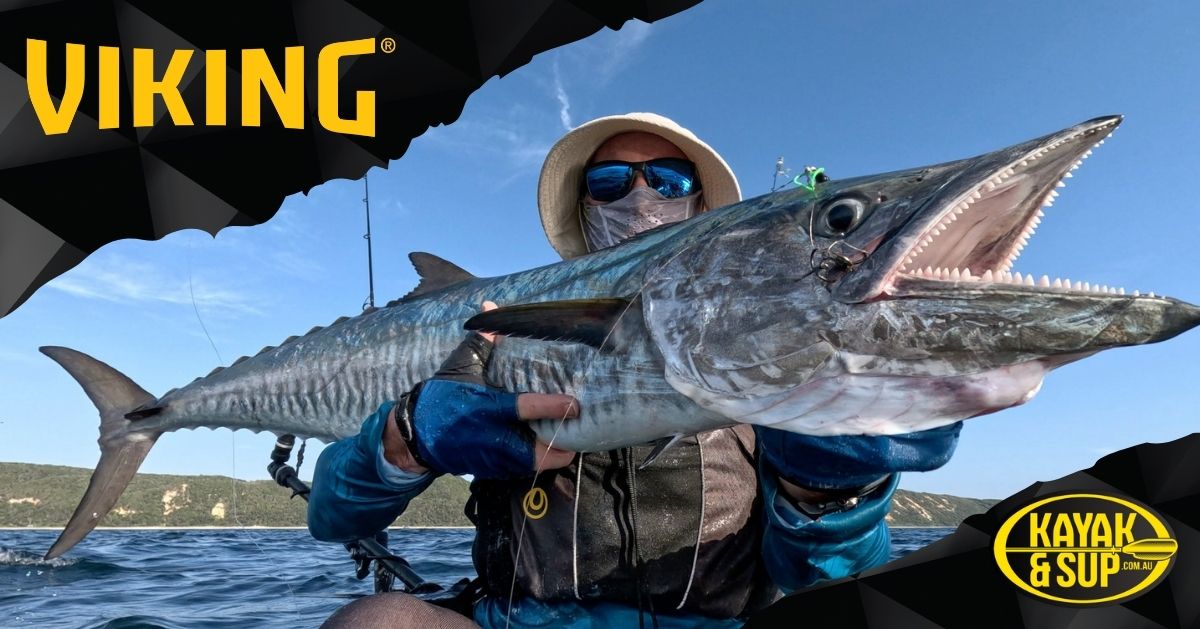
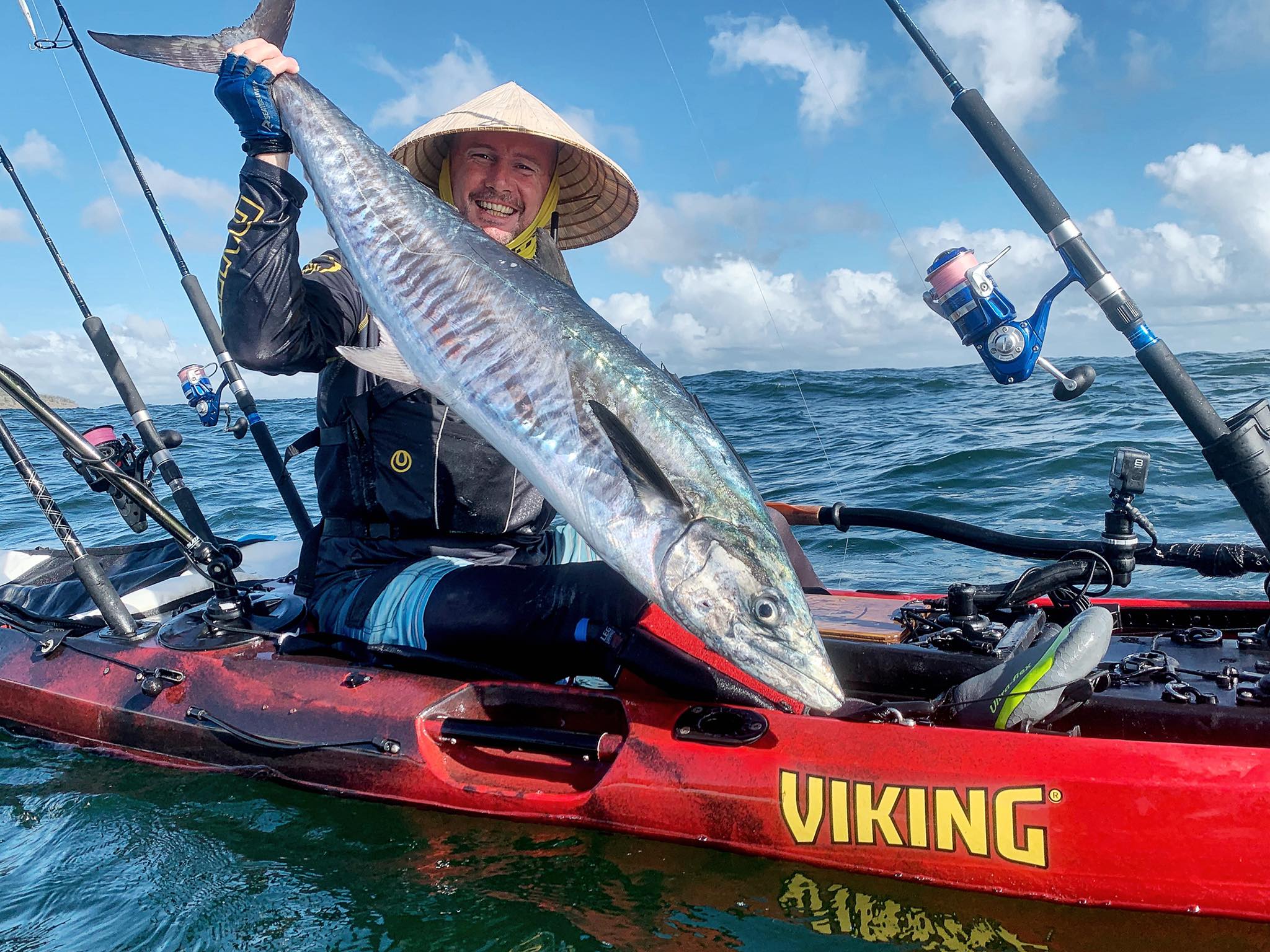
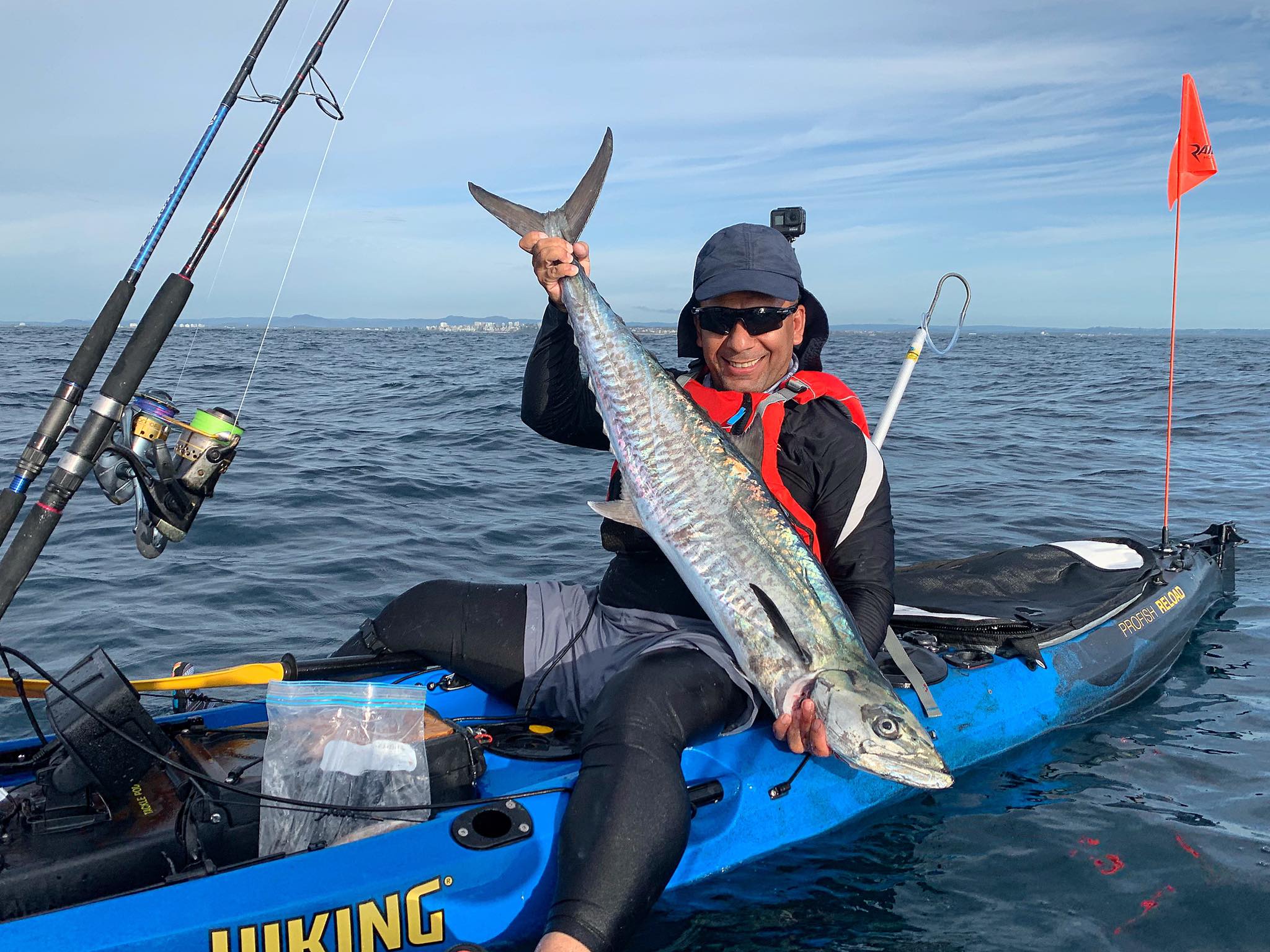
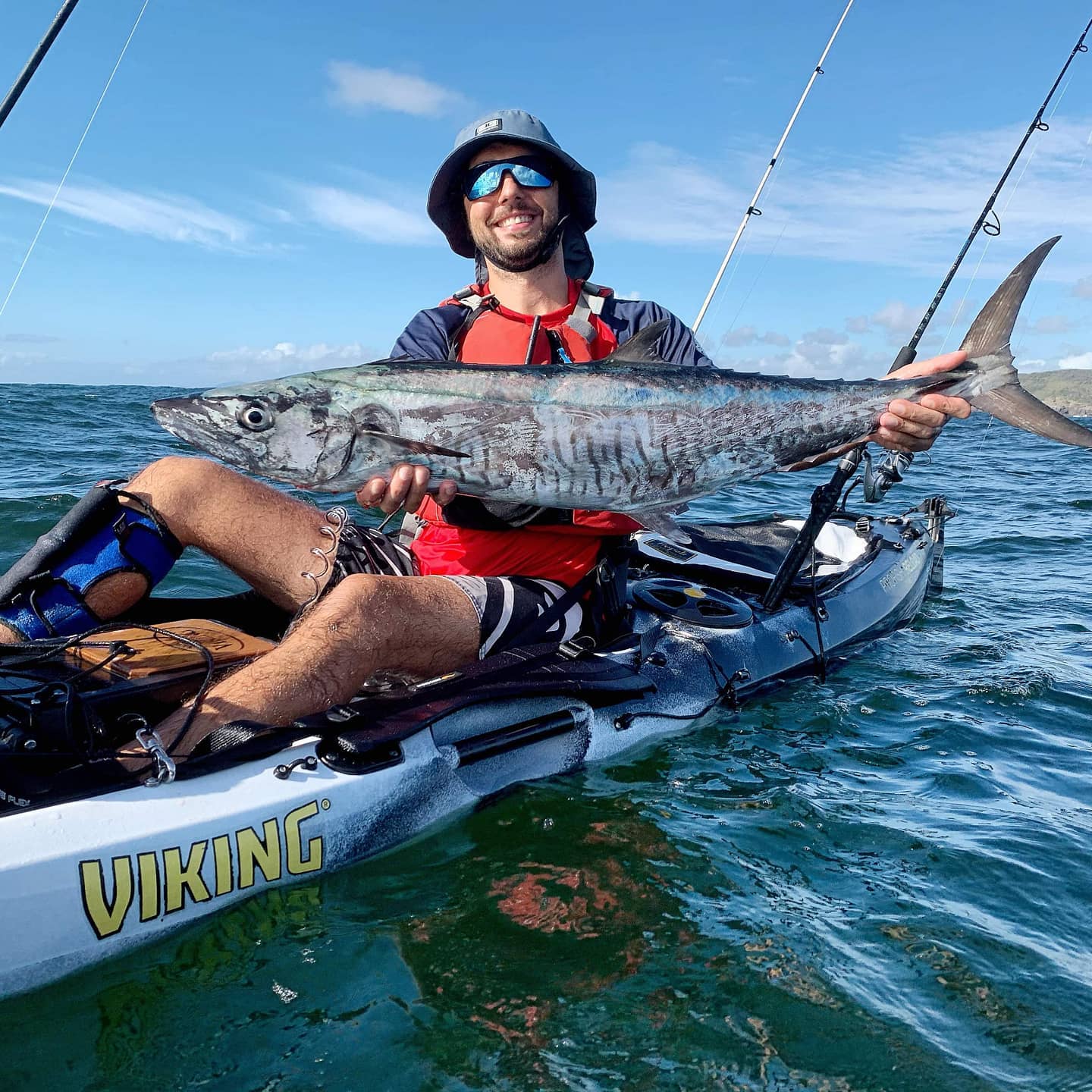
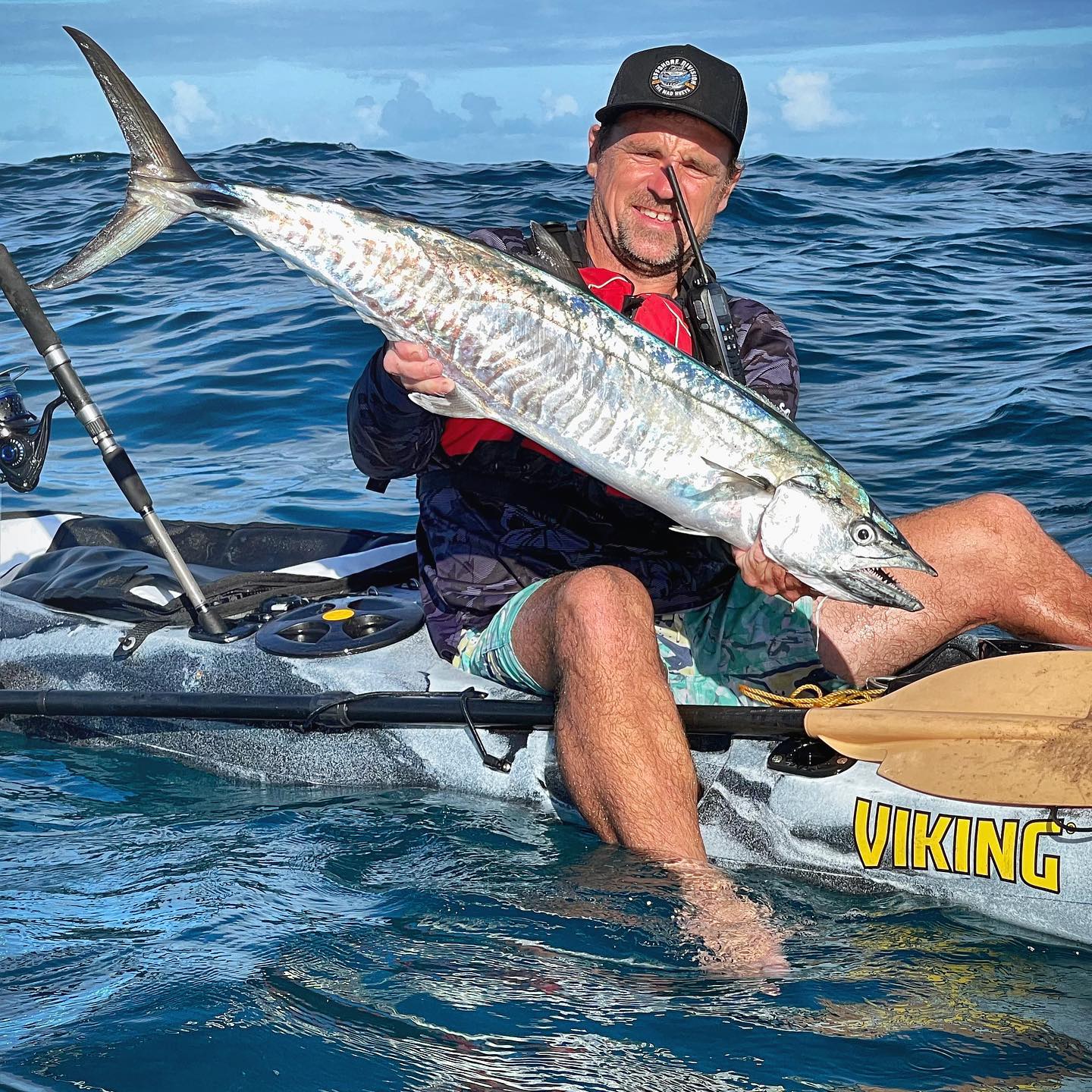
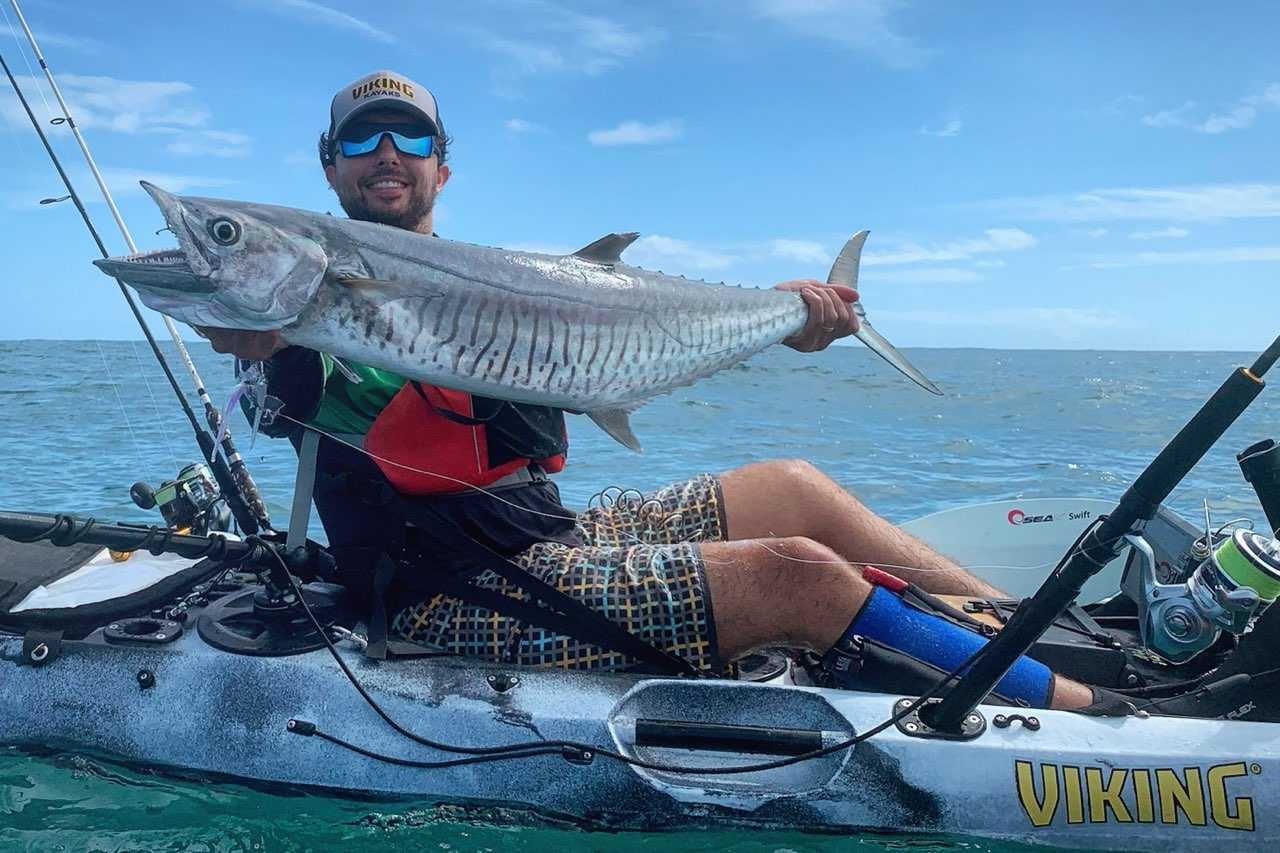
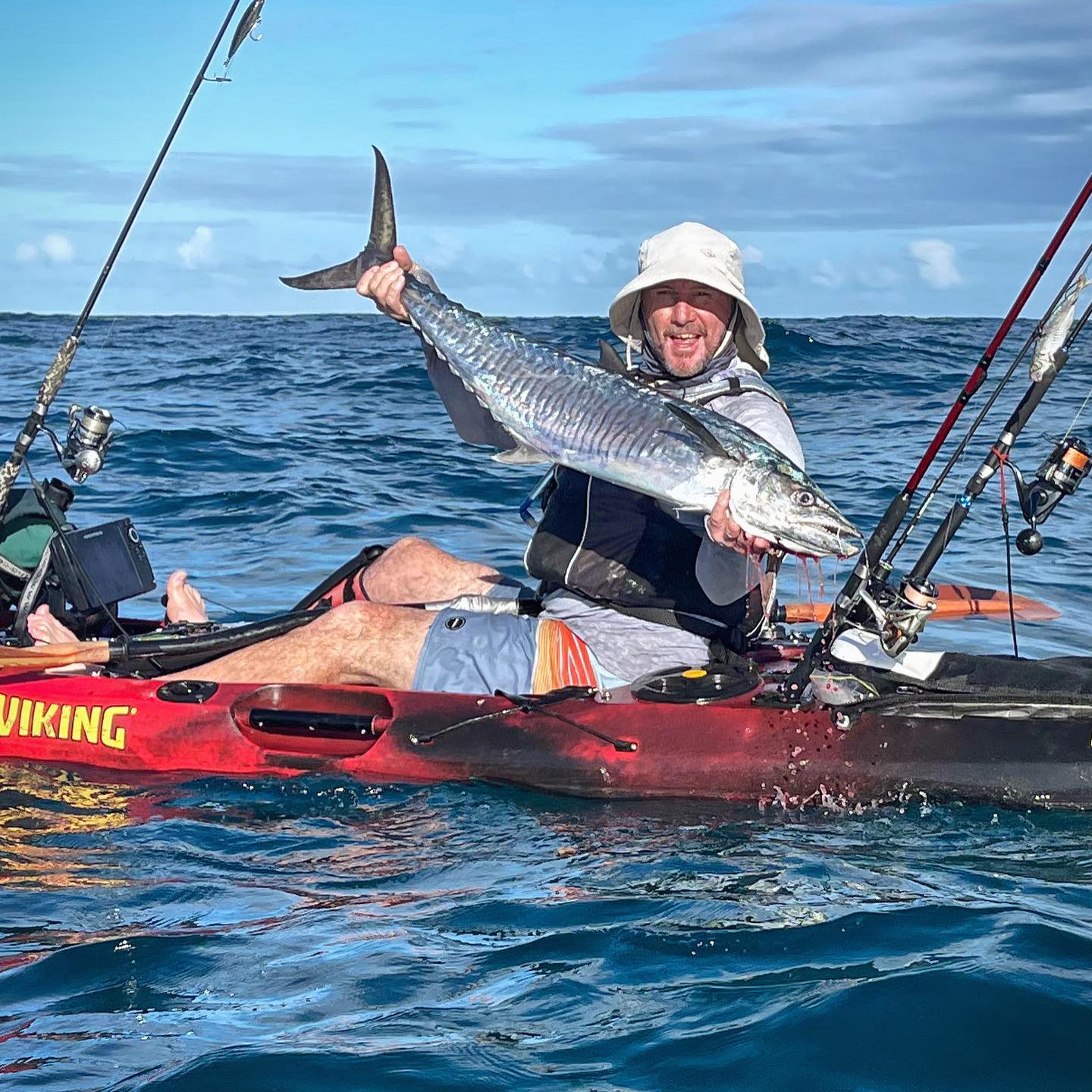
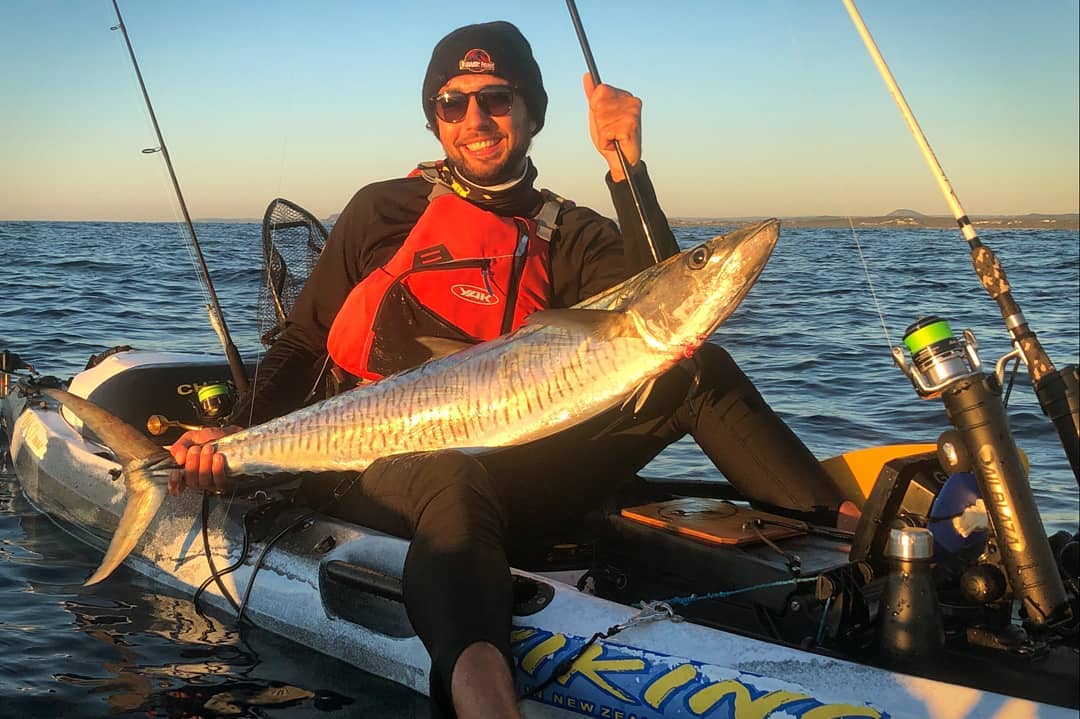
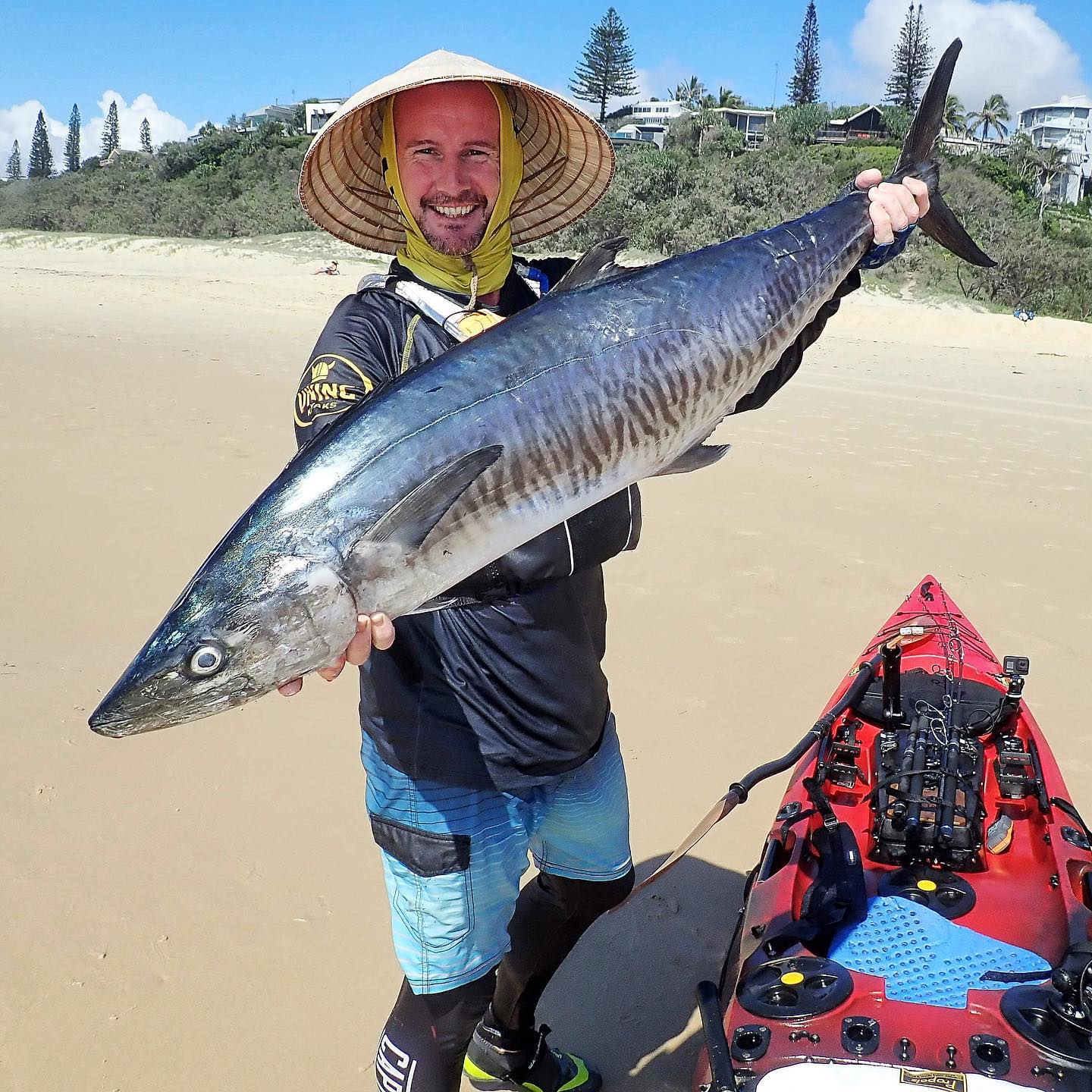
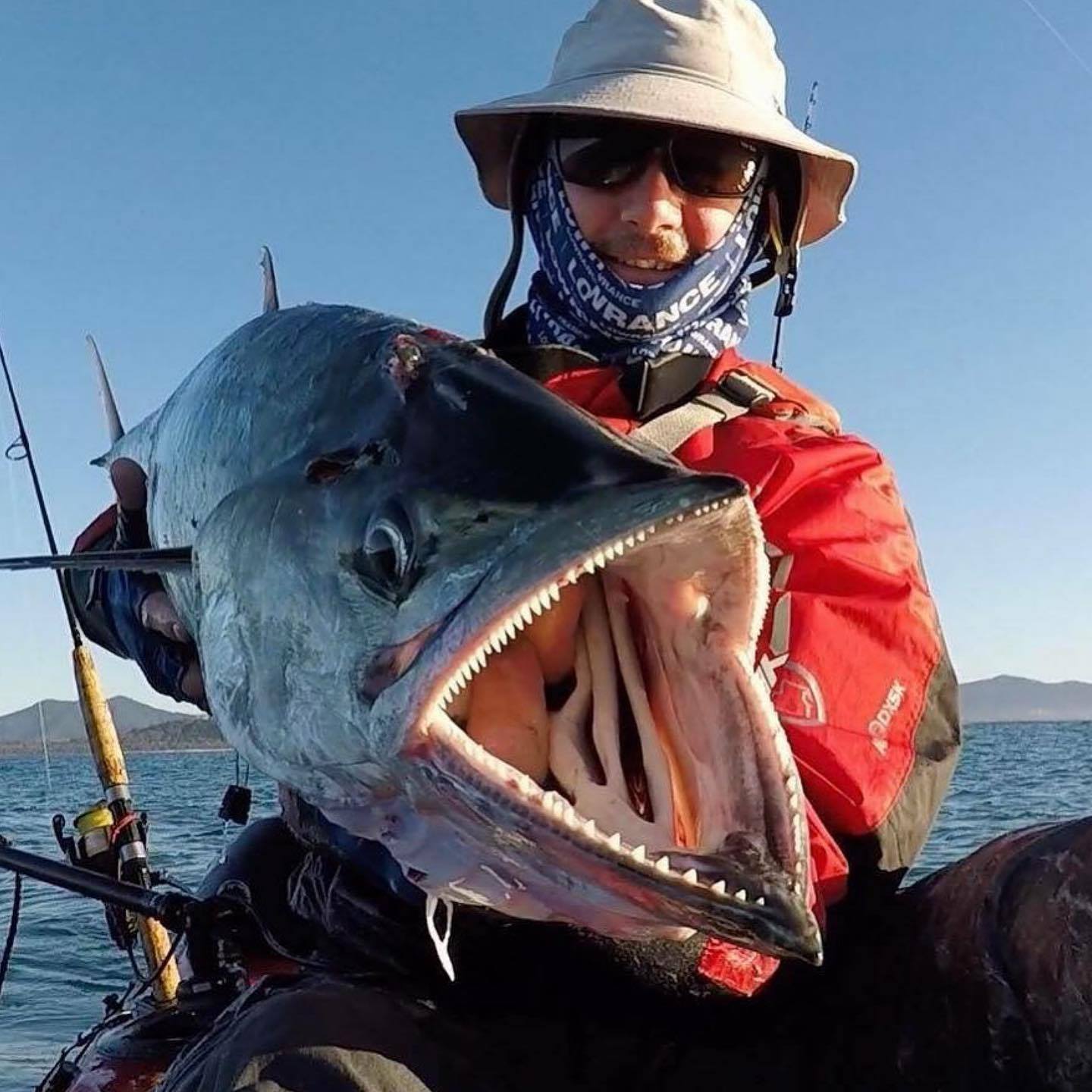
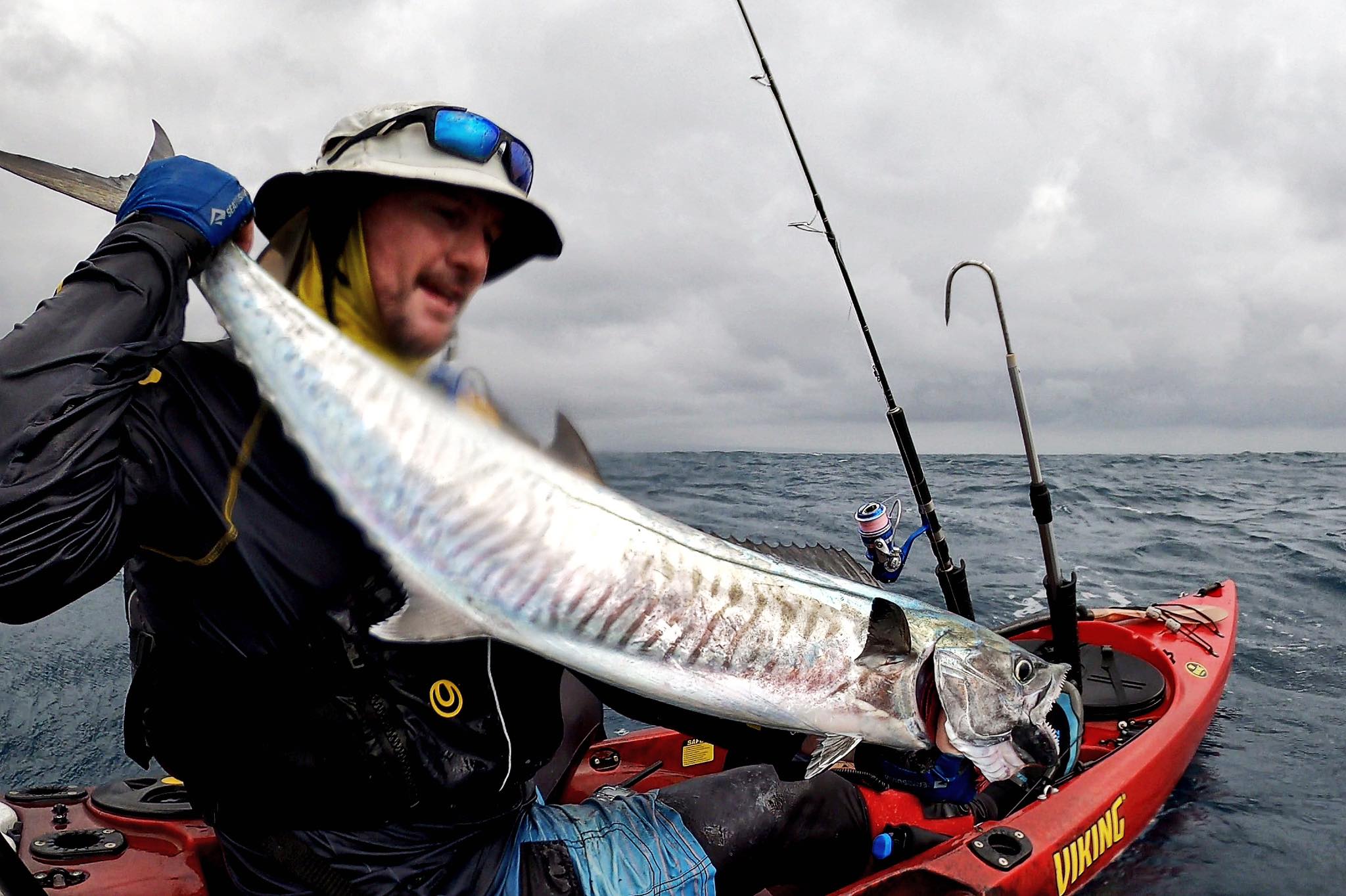
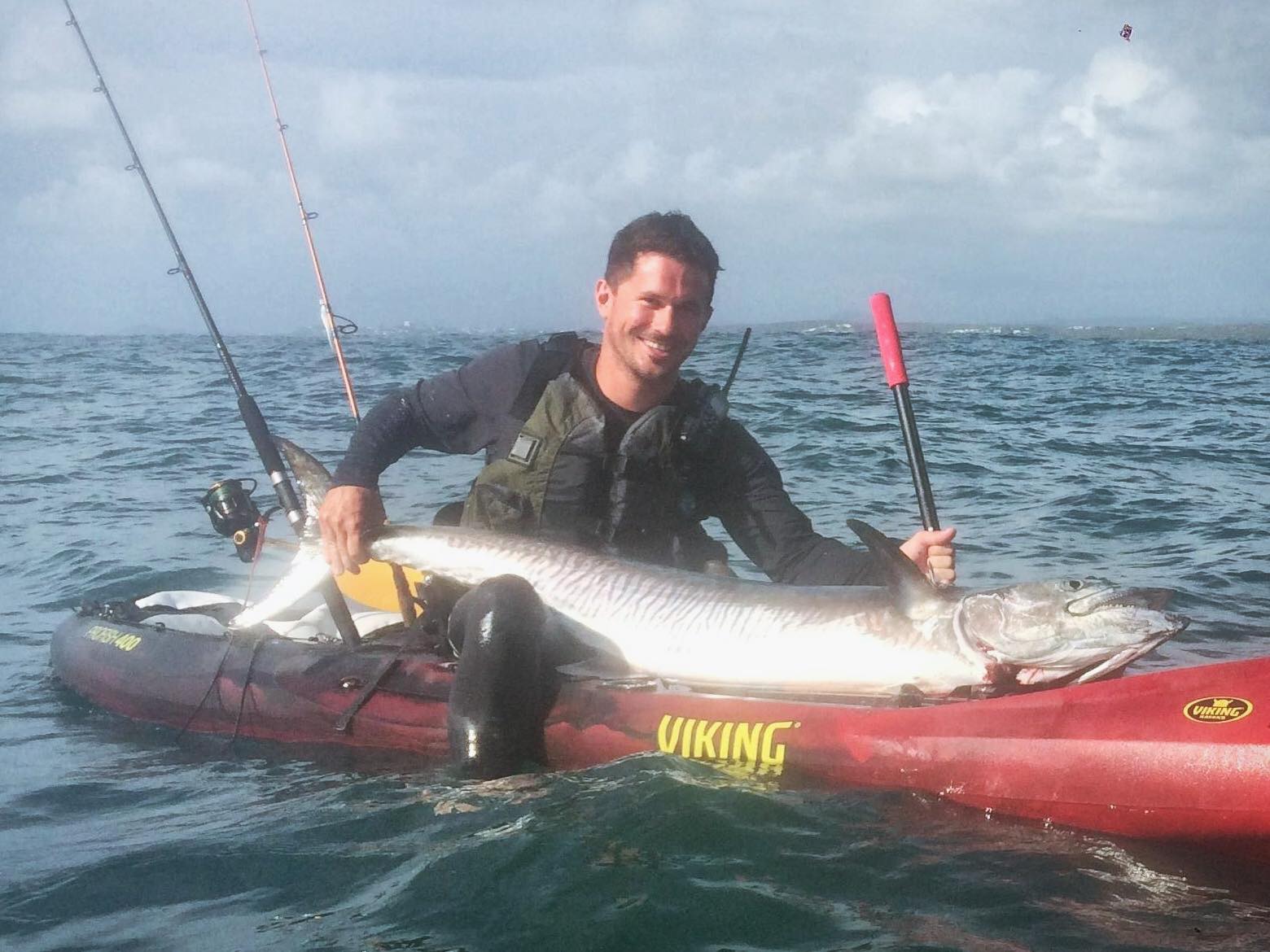
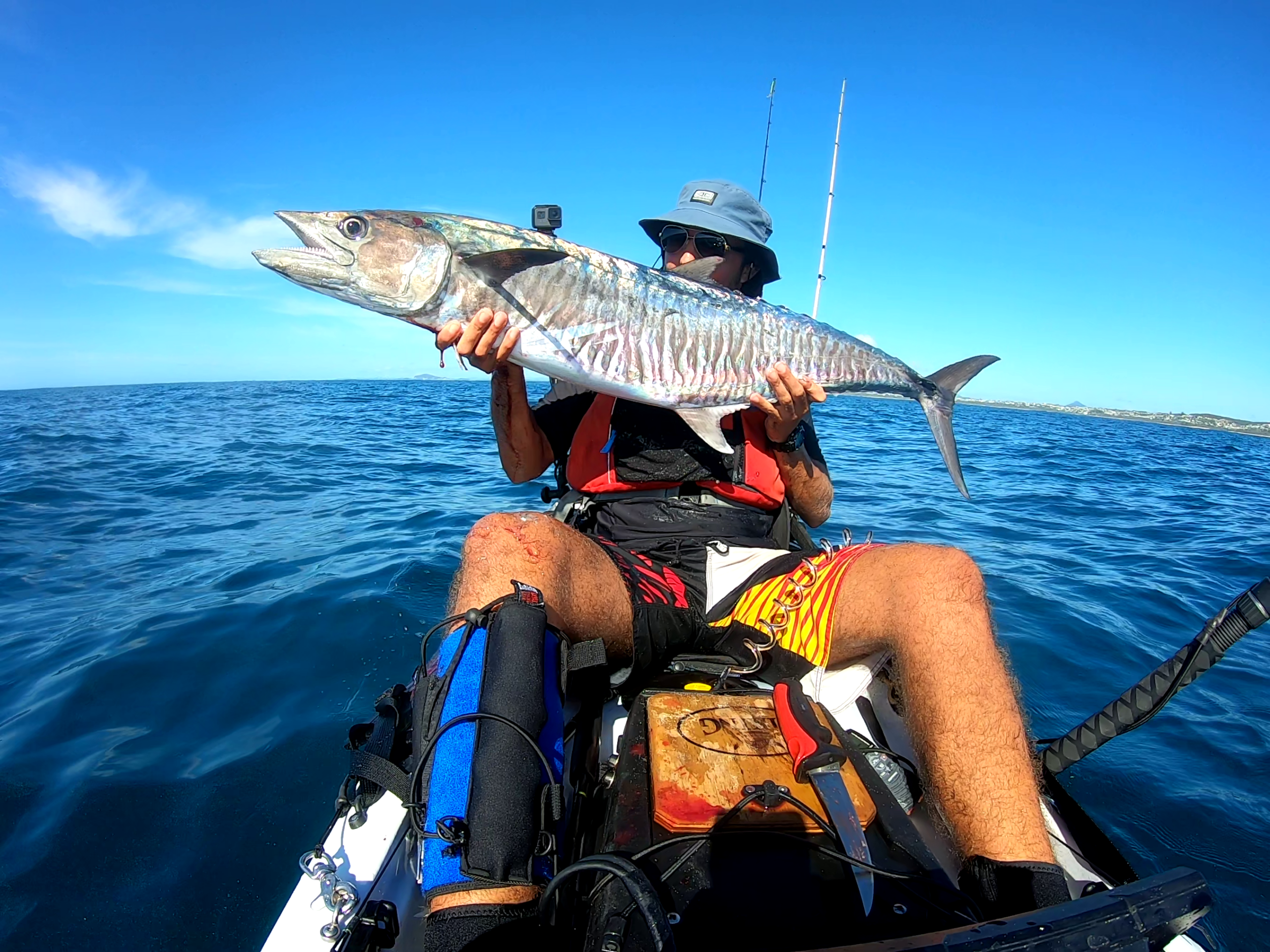
Spanish mackerel caught from a kayak offshore by angler holding fish in front of viking kayak

How to catch Spanish mackerel from a kayak

Spanish mackerel are one of the most electrifying pelagic species you can target from a kayak. Fast, aggressive, and built for blistering runs, they turn a quiet paddle into controlled chaos in seconds.

Kayak fishing actually gives you a serious advantage:

  • Minimal engine noise

  • Natural bait tracking

  • Less pressure than large boats

When the bite is on, Spanish mackerel kayak fishing becomes addictive.

Spanish mackerel behaviour: bait-driven pelagic predator patrolling reef edges, pressure points and current lines
Spanish mackerel follow bait and current — finding the pressure points is everything.

Understanding Spanish Mackerel Behaviour

Spanish mackerel are speed predators. They move constantly, track bait, and use current lines to ambush prey. If the bait moves, they move.

Spanish mackerel are:
  • Highly mobile
  • Bait-driven
  • Current-oriented predators
They patrol:
  • Reef edges
  • Drop-offs
  • Pressure points
  • Current lines
  • Bait schools under birds
Pro move: Don’t hunt fish—hunt bait + current. When you find both, Spanish mackerel are rarely far away.

Follow the Birds — Your Offshore Radar

Current and bait are critical — but offshore, birds often give you the first clue. Gulls and terns don’t circle randomly: they follow bait schools being pushed toward the surface. And when bait gets pushed up… Spanish mackerel are rarely far below.

What to look for
  • Repeated diving in the same area
  • Low hovering and tracking movement
  • Surface eruptions under birds (bust-ups)
  • Bait flicking or spraying on the surface
How to approach (kayak-friendly)
  • Approach from up-current when possible
  • Keep a safe distance from the main chaos
  • Set your troll line before entering the zone
  • Work the edges first — it’s often where bigger fish sit
Pro move: Birds show you where the action is — current tells you why it’s happening. When you line up both, you’re in the strike zone.
Gear Tip: Not all birds mean feeding fish. High, lazy circling often means bait is deep. Low, aggressive diving usually means predators are actively pushing bait up — that’s when you move.

🎯 The Right Setup for Spanish Mackerel

Rod & Reel

  • 7–24kg rated rod

  • High-speed reel (spin or overhead)

  • Smooth, reliable drag

You don’t need ultra-heavy gear — but you need speed and control.

Leader & Trace

Spanish mackerel have razor-sharp teeth. Bite-offs are common.

Gear Tip: Always run a bite-resistant wire trace when targeting Spanish mackerel. A common starting point is 44lb single-strand wire. Fluorocarbon alone will eventually get cut.

Many anglers use:

  • Short wire section up front

  • Mono or fluorocarbon behind

  • Ganged single hooks or treble stingers

Best Baits for Kayak Trolling

Spanish mackerel respond aggressively to:

  • Pilchards

  • Slimy mackerel

  • Garfish

  • Yellowtail

Pilchards and slim baitfish used for spanish mackerel dead bait trolling from a kayak

Trolling Speed from a Kayak

Most effective kayak trolling speed:
2–6 knots

Too slow → bait lacks action
Too fast → bait spins

Always test your bait beside the kayak before setting it back.

Practical Advice: Watch your bait for 10 seconds beside the kayak. If it spins, adjust speed or alignment before deploying it 40 metres back.

How Far Behind the Kayak?

A strong starting range: 20–50 metres
  • Calm water: extend further for stealth presentation
  • Boat traffic: shorten slightly for better control
  • Rough water: maintain manageable distance
Spanish mackerel often hit hard and fast — giving your bait distance allows them room to commit confidently before the strike.

Drag Setting Strategy

One of the most common mistakes is running too much drag.

On the strike:

  • Let them run

  • Avoid immediate hard pressure

  • Increase drag gradually

Spanish mackerel shake violently during first run. Early over-pressure pulls hooks.

High-speed spinning reel setup for spanish mackerel kayak trolling

Triggering More Strikes

If fish are following but not committing:

  1. Drop into neutral

  2. Make a sharp turn

  3. Let bait sink briefly

  4. Accelerate

That sudden speed change can trigger a reaction strike.


Gear Tip: Spanish mackerel are speed predators. Sudden direction or pace changes often out-fish steady straight-line trolling.

Offshore Safety Matters

Spanish mackerel fishing usually means open water. Offshore kayak sessions demand preparation, awareness and the discipline to turn back when conditions shift.

Offshore kayak fishing safety with pfd and open ocean conditions
  • Wind forecast – know what is building, not just what is now
  • Swell direction – understand how it affects your return route
  • Return paddle capability – always plan energy for the way back
  • Communication device – VHF recommended offshore
  • Quality PFD – worn at all times
Safety Reminder: If the wind builds unexpectedly, head in early. A safe return is always more important than one more pass.

⁉️ Why Kayaks Are So Effective for Spanish Mackerel ⁉️

Compared to large boats, kayaks:

  • Create minimal wake

  • Produce very little underwater noise

  • Present bait more naturally

That stealth advantage often makes the difference in pressured waters.

How to catch spanish mackerel from a kayak

Trolling for Spanish Mackerel – Dead Bait Strategy

Dead bait trolling is one of the most consistent offshore techniques for Spanish mackerel. When it comes to rigging, you have two main approaches.

Option 1 – Build Your Own Rig

You can build your dead bait trolling rig from scratch using wire, hooks and hand-prepared bait. This gives full control — but requires precision and practice.

Reality Check: If the backbone isn’t prepared correctly or hooks aren’t aligned perfectly, the bait won’t swim naturally. It may spin instead of tracking straight — and spinning bait rarely gets eaten.

Want to learn how to do it properly?

Option 2 – Use a Purpose-Built System

A purpose-built trolling head like the Reaper Rig simplifies alignment and stabilises the bait, transforming almost any suitable bait into a natural swimming presentation.

  • Controlled bait alignment
  • Reduced spin
  • Consistent swim action
  • Less constant checking
Kayak and SUP Recommendation: For offshore kayak anglers who want consistency and reliability, a purpose-built trolling head dramatically simplifies dead bait trolling.
Explore Reaper Rigs
From a kayak, you typically run one rod and one bait. That bait must swim perfectly. The simpler and more consistent your system, the more time you spend in the strike zone.

Final Thoughts on Dead Bait Trolling

Building your own rig is absolutely possible — and for some anglers, enjoyable.

But it requires:

  • Time

  • Precision

  • Experience

  • Constant monitoring

If you prefer a cleaner, more consistent system — especially offshore — a dedicated trolling head simplifies the process and increases reliability.

The goal is simple:

Natural swim + correct speed + correct distance = Spanish mackerel.

Everything else is fine-tuning.

This is just the beginning

This guide is only the start of a longer series dedicated to Spanish mackerel kayak fishing. Over the coming weeks we’ll keep publishing fresh, practical content (weekly) so you can level up fast—step by step.

What’s coming next:
  • How to build reliable Spanish mackerel trolling rigs (the right way)
  • Dead bait vs lures: when to use each technique from a kayak
  • Where to store and position a big mackerel on the kayak safely
  • Hook-up, landing and fish handling—every step explained
  • Weather windows, offshore decision-making, and kayak safety systems
Stay tuned If you want to be updated as new chapters drop, keep an eye on our blog and follow Kayak and SUP. There’s a lot more coming—every week.
Final note: We’ll go deeper into every aspect—from locating fish and choosing the right technique, to landing, handling, and managing a big Spanish mackerel on a kayak. This series is built to be practical, not theory.

About Daniele Giannatempo

Daniele Giannatempo is the founder of Kayak and SUP, an online retailer based on the Sunshine Coast. With years of experience in the kayak and SUP industry, he shares reviews, guides and stories to help paddlers choose the right gear and enjoy water adventures to the fullest.