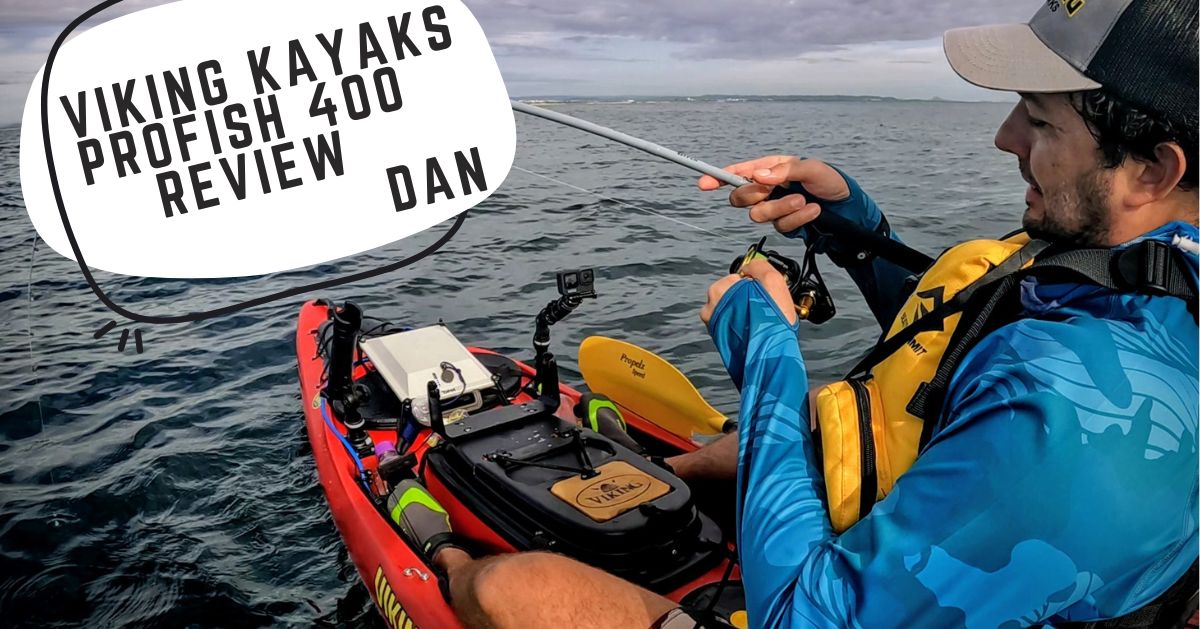
Buy a Viking Profish • Get real on-water coaching included.

Before Buying a Used Kayak, Read This!
Before Buying a Used Kayak, Read This
Buying a used kayak can be an awesome deal — or an expensive headache waiting to happen. Many serious issues don’t show up during a quick driveway inspection.
This guide focuses on plastic (rotomoulded polyethylene) sit-on-top kayaks — especially common in Australia — and shows you exactly what to check.
Why Used Plastic Kayaks Can Be Risky
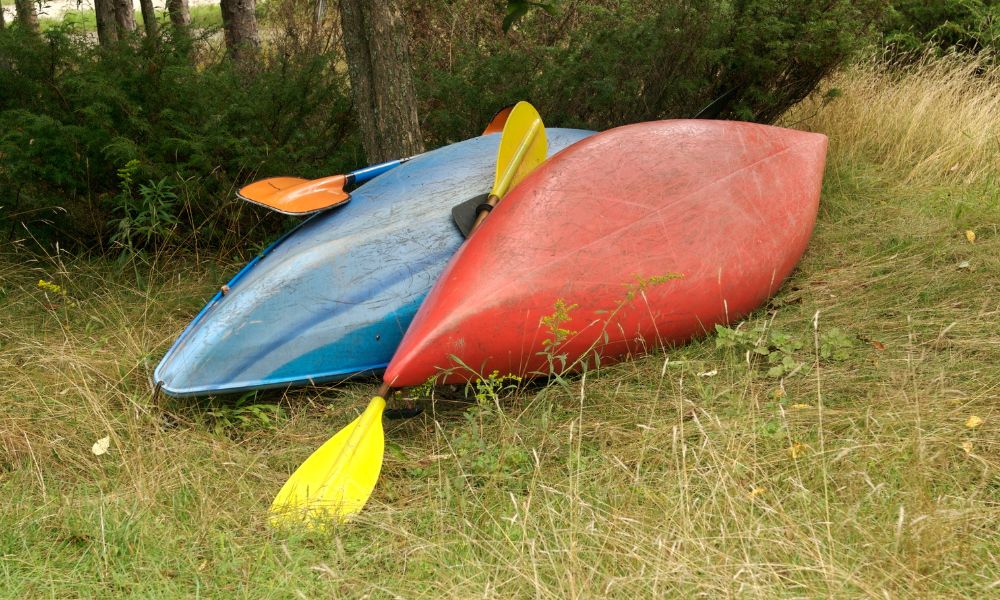
- UV exposure (sun damage that weakens plastic over time)
- Hull warping / oil canning
- Scupper hole cracks (very common on fishing kayaks)
- Worn hardware (handles, bungees, rails, rudders)
Quick inspection checklist
The 60-Second First Check
Before you fall in love with the colour, run this fast check. You’ll spot most major issues in under a minute.
1
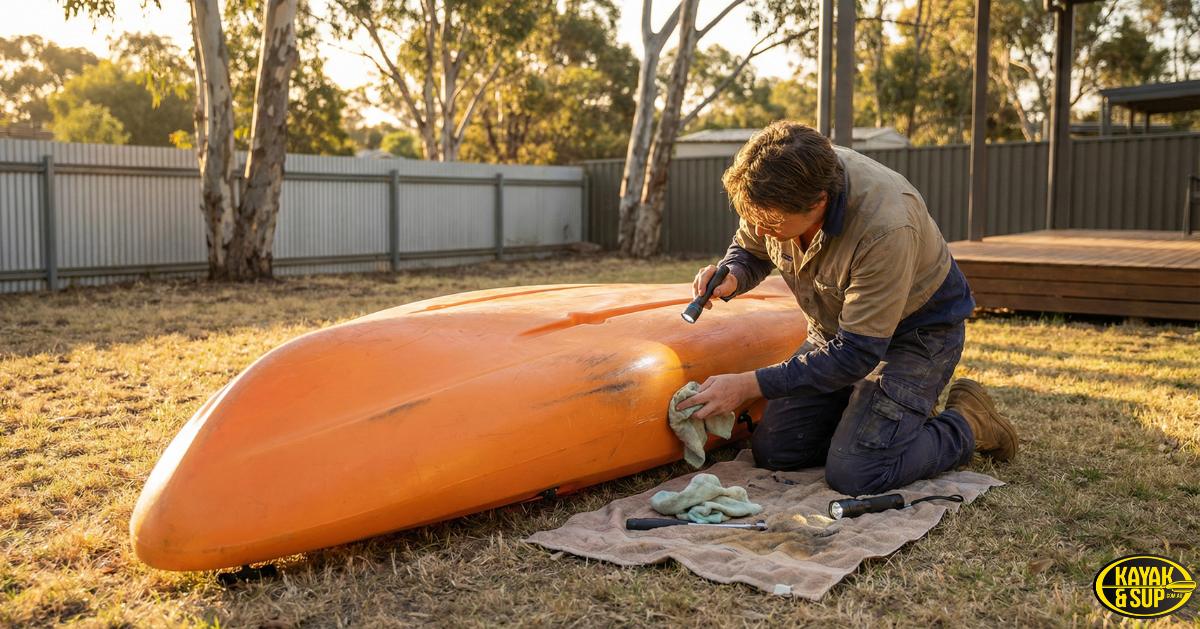
Flip the hull
Look for dents, waves, flat spots, or obvious warping.
2
Check the keel
Heavy dragging damage usually shows here first.
3
Inspect scuppers
Cracks = red flag. Check inside and outside with a torch.
4
Deck stress
Loose fittings, stressed plastic, or pulled-through hardware?

UV Damage: The Silent Killer
Long-term sun exposure can make polyethylene brittle. Before buying a used kayak, look for heavy fading, chalky surface, and plastic that feels stiff instead of flexible.
GEAR TIP: Fading alone isn’t fatal. Brittle plastic is.
Press large flat areas — you want healthy flex.

Hull Warping & Oil Canning
Oil canning happens when the hull deforms from heat and storage pressure. It affects tracking and paddling efficiency.
- Sight along the hull
- Look for dents near the seat area
- Ask how it was stored in summer
PRACTICAL TIP: Let the kayak cool in shade for 10–15 minutes and recheck.
Scupper Holes: The Expensive “Small Crack”
Scuppers are the most common cracking point on sit-on-top fishing kayaks. Damage here spreads and is difficult to repair properly.
- Use a torch inside each scupper
- Feel for hairline splits
- Be extra cautious if used with scupper carts

The Best Deal Is the Kayak You Can Trust
Avoid sun-baked plastic, warped hulls, scupper cracks, and leaking hatches. A “cheap” kayak that turns into a repair project after two paddles isn’t a bargain — it’s frustration waiting to happen.
Hardware Adds Up
Used kayaks often need replacement:
- Handles & deck lines
- Bungee cords
- Seat
- Rudder cables
- Foot brace rails
- Hatch gaskets and O-rings
QUESTION: What’s your biggest worry when buying a used kayak?
🔧 Why Hull Integrity Really Matters
Most quality kayaks in Australia are made from rotomoulded polyethylene, a durable plastic designed to absorb impact and flex without cracking. However, even strong materials need proper inspection after extended use.
According to the Australian Maritime Safety Authority (AMSA) recreational boating safety guidelines , structural integrity and watertight performance are critical for small watercraft safety.
Hairline cracks, stress fractures around scupper holes, and UV degradation can all compromise long-term durability — even if they aren’t immediately visible.
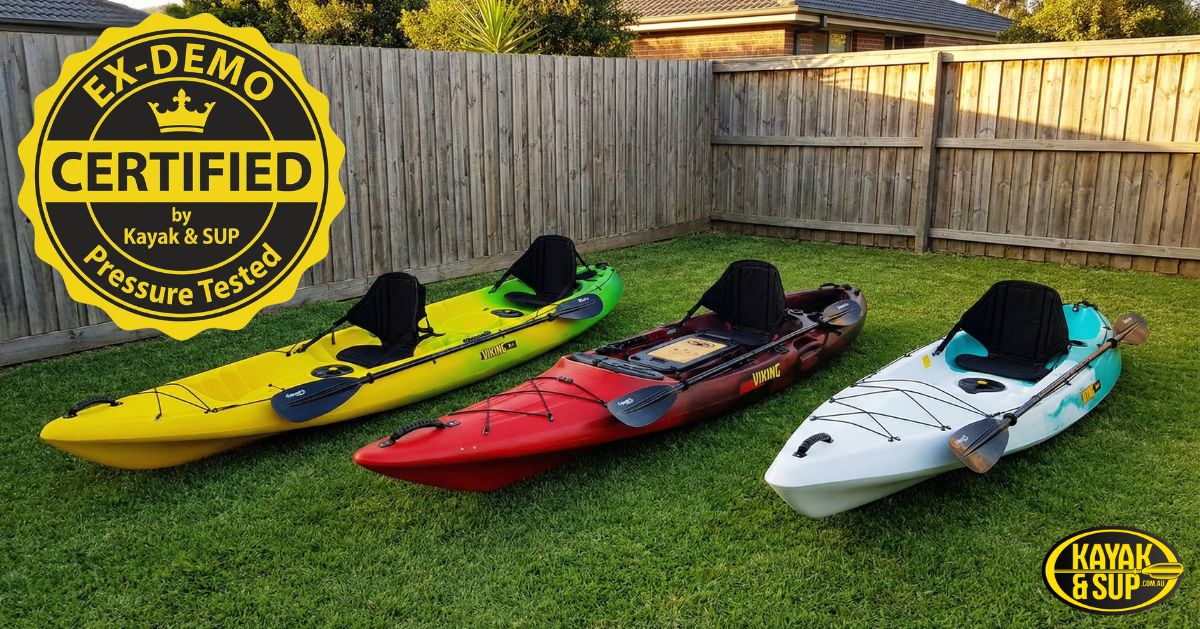
That’s why every Kayak & SUP ex-demo hull is pressure tested before resale.

Sometimes it’s worth buying used from a shop (not a driveway)
Used kayaks can be amazing value — but only if you can properly check the hull, scuppers, storage, and hardware. If you’re not 100% confident inspecting a kayak, buying from a reputable kayak shop can reduce risk because you’re often getting better transparency, support, and sometimes even a limited warranty or inspection process.
Clear history (ex-demo / display)
Inspected before sale
Support if issues pop up
What you often get (shop advantage)
- A kayak that’s been checked for scupper cracks, warping, and leaks
- Honest notes on wear (and what’s just cosmetic)
- Help choosing the right size and model for your use
- Sometimes: short warranty, return window, or service support
3 questions to ask before buying
- How was it stored (shade/covered vs full sun)?
- Any repairs near scuppers, seat area, or keel line?
- Can you confirm it’s watertight and all hardware works?
Quick red flags (walk away)
- Cracks around scuppers or stress zones
- Major hull deformation (“oil canning” that’s set hard)
- Sun-brittle plastic that feels dry or crunchy
- Hatches that don’t seal or water inside compartments
By appointment Monday to Saturday, 8:30am–3:00pm (Mountain Creek).
❓ Buying a Used Kayak – Frequently Asked Questions
Everything serious buyers ask before committing to a used plastic kayak.
Hull & Structural Integrity
What are the biggest red flags when buying a used plastic kayak?
The major dealbreakers are scupper cracks, severe oil canning (hull deformation), and plastic that feels brittle from UV exposure.
What is oil canning and how much is too much?
Oil canning is permanent denting or flattening caused by heat and storage pressure. Minor ripple is manageable. Large flat spots or deep seat-area dents often affect tracking and performance.
Why are scupper cracks such a big problem?
Scuppers are stress points. Cracks here can spread and are difficult to repair long-term. They’re common on fishing sit-on-tops used with scupper-style carts.
UV Damage & Storage History
Is colour fading always a problem?
Not necessarily. What matters is brittleness. Healthy polyethylene flexes. Sun-baked plastic feels dry and stiff.
How can I tell if it was stored badly?
Look for strap dents, oil canning, warped deck areas, degraded fittings, and severe fading. Ask if it was stored upside down and out of direct sun.
Is outdoor storage in Australia automatically bad?
Not automatically—but Australian UV accelerates ageing. Shade and correct positioning make a huge difference.
Leaks, Hatches & Hardware
How do I check for hidden leaks?
Inspect hatches for moisture, mould, or seal damage. Ask if water has ever accumulated in storage compartments.
Which parts usually need replacing on used kayaks?
Handles, bungees, rudder cables, seat straps, foot braces, hatch seals and screws are common wear items.
Do bottom scratches matter?
Surface scratches are normal. Deep keel wear or plastic worn thin is more concerning.
Performance & Fit
How can I tell if it will paddle straight?
Check hull symmetry and warping. If possible, do a short test paddle. A twisted hull usually requires constant correction.
Is weight capacity important when buying used?
Yes. Overloading increases stress on scuppers and hull structure. Make sure capacity suits your body weight plus gear.
Should I buy without testing it on water?
Only if it passes structural inspection strongly. If possible, always test for tracking and unexpected leaks.